
Landscaping Warranty: What to Cover After Every Install
You landed the bid. The crew laid the last stone, planted the last shrub, and used the final scoop of mulch for touch-up. So now it’s time to collect the last draw and move on to the next job, right?
Not so fast. What happens in the next few weeks — and what you’ve promised to stand behind — decides whether this client calls you again or calls someone else. A clear landscaping warranty, backed by a solid follow-up plan, is what turns a finished install into a repeat client and a five-star review. Skip it, and you’ll be stuck fielding confused calls about a browning shrub six months from now, with no policy to point to.
Here’s how to build a landscaping warranty that actually protects you, and the follow-up system that makes sure you never have to use it. (For the bigger picture on client communication beyond warranty season, see our full guide to customer service for landscapers.)
What Should a Landscaping Warranty Actually Cover?
A landscaping warranty isn’t one-size-fits-all. In fact, the biggest mistake contractors make is copying a generic template instead of thinking through what they can honestly stand behind. Here’s how to break it down.
Hardscaping and Structural Work
Retaining walls, patios, walkways, and drainage work are the easiest to warranty because they don’t depend on the weather or the homeowner’s watering schedule. The industry standard is a one-year warranty on workmanship and materials for hardscape installations. If a wall settles or a paver shifts because of how it was built, you have to fix it — so build it right the first time.
Plant Material — Why “It Depends” Is the Right Answer
Plant warranties are trickier, and candidly, that’s fine. A blanket “we warranty all plants for one year” policy sounds generous, but it can put you on the hook for problems that were never yours to begin with. Instead, base your plant warranty on what’s actually in the ground and what conditions it’s living in:
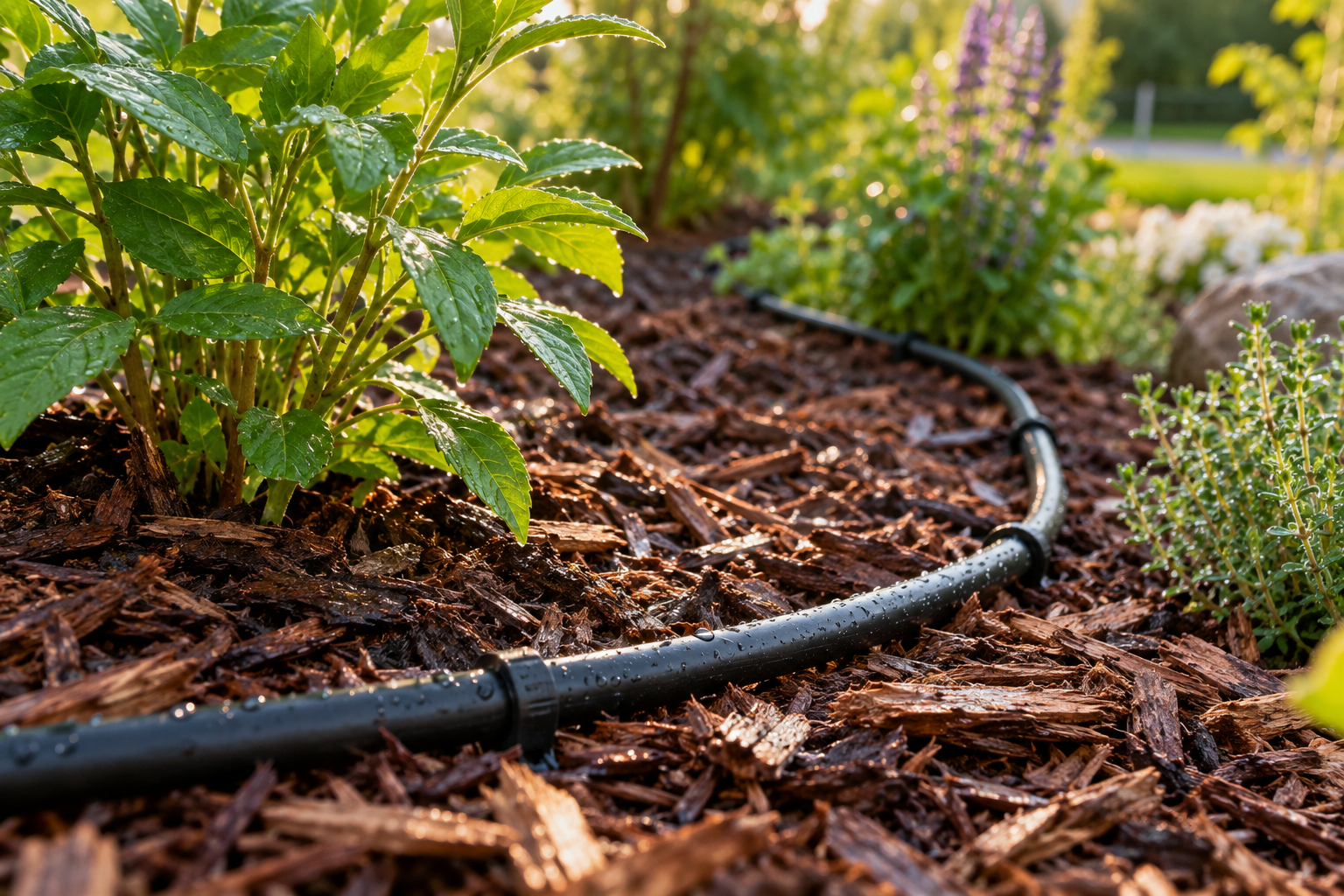
- Is there irrigation? If you installed an irrigation system, you can reasonably warranty plant material for a full year, since watering is largely out of the homeowner’s hands. Without irrigation, a shorter, more conditional warranty protects you from failures caused by missed watering.
- What’s the plant list? Succulents and drought-tolerant species don’t need continuous watering to establish, so a strict watering clause matters less. A rain garden is designed to handle wet and dry cycles, so it’s more forgiving too. A native plant garden, on the other hand, typically needs frequent watering through its first year to establish. So make that expectation clear upfront in your warranty, not after something dies.
- Where is the property, and how much rain does it get? A dry season in Western North Carolina looks different than one in coastal Georgia. Tie your warranty language to realistic regional conditions instead of a generic number of inches per week.
The takeaway: write your plant warranty around the actual planting plan, not a cut-and-paste clause. When you explain the “why” behind your warranty terms during the walkthrough, clients trust it more — because it sounds like expertise, not fine print. For more benchmarks, the National Association of Landscape Professionals has a good rundown of how other contractors structure their plant warranty policies.
What Voids a Landscaping Warranty
Be upfront about this too. Most contractors exclude damage from severe weather, pests, and disease unrelated to installation. The most common exclusion, though, is failure to follow the care instructions you gave them. Put it in writing to avoid confusion later.
Your Best Warranty Prevention Tool: The Walkthrough
A warranty only gets used when something goes wrong, so the real goal is preventing that call in the first place. That starts before you even leave the job site.
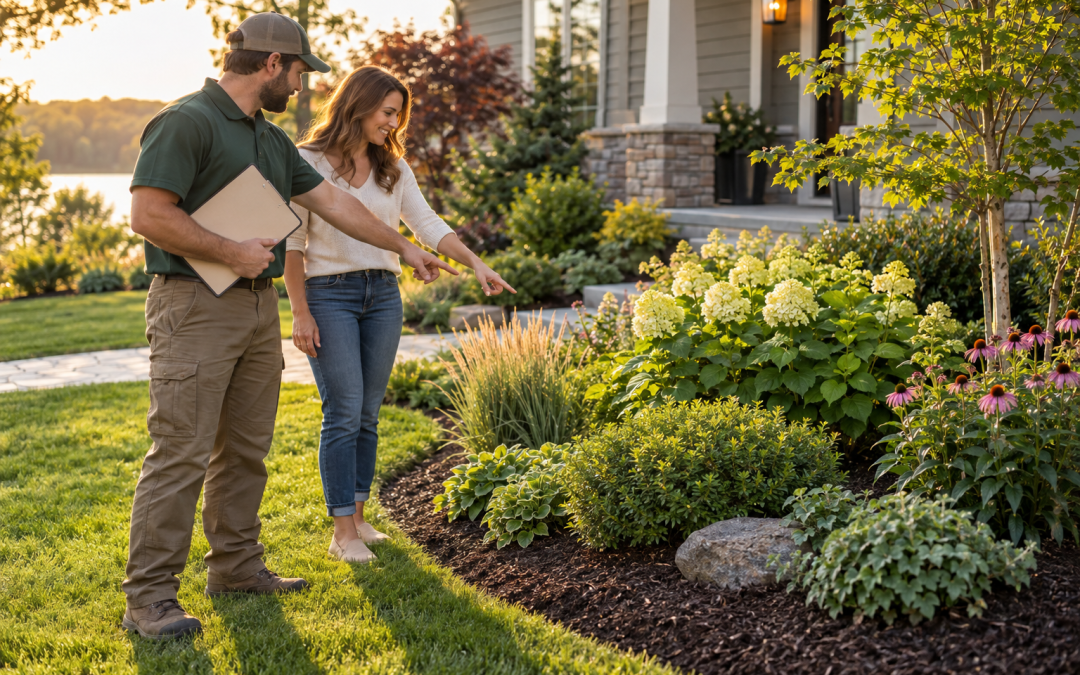
Inspect everything before the homeowner does. Don’t wait for them to point out unfinished areas. Walk every inch of the property, including spots you used for breaks or equipment storage. Pick up debris, sweep, and blow off hardscaping so the site looks better than you found it — porches, driveways, and everywhere in between. Leave it spotless.
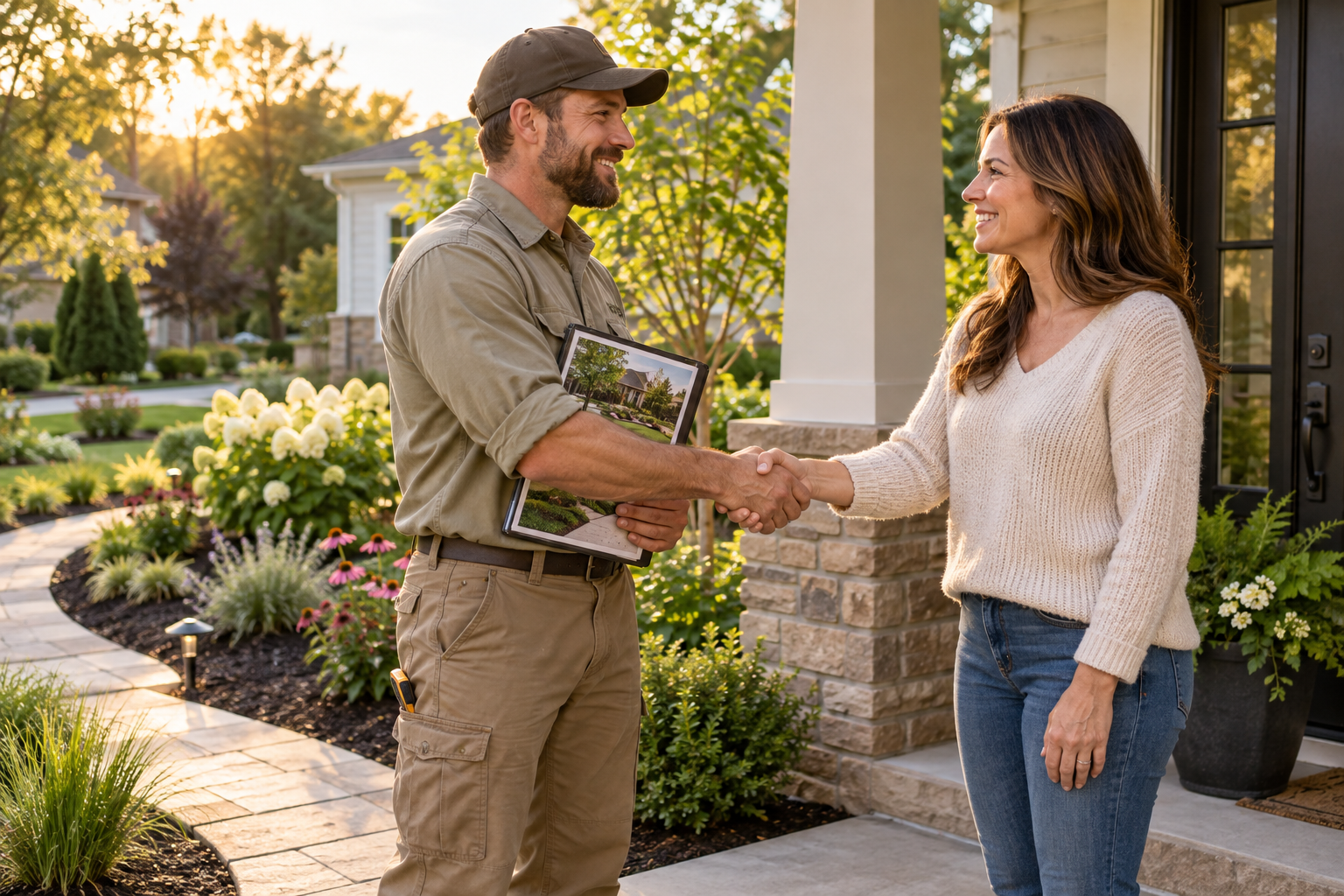
Walk the property with the homeowner, contract in hand. This is where your warranty conversation happens. Remind them what the space looked like before, and walk through what was done. Explain the care their new plants and hardscape will need: watering schedule, fertilizing timeline, what to expect as everything establishes. This is also your best moment to talk about other services — landscape clients often don’t realize you also do tree work or hardscaping unless you tell them.
Leave something in their hand. A brochure, a business card, or a printed copy of the warranty terms and care instructions does double duty. It’s a resource for them, and a notice to call you again. Let them know you’ll check back in a few months, and if they seem happy with the work, ask for a review on Google, Facebook, or Angi.
5 Steps to Follow Up After Every Landscape Installation
Once the crew drives away, the job isn’t quite finished. A basic follow-up system keeps small issues from developing into warranty claims and keeps you top of mind for the next project.
- Send a thank-you note within a week. A quick card or email goes a long way. Include your contact information again so it’s easy to find when they need you.
- Check in at 30 days. This is prime time for plant establishment questions. A short call or text (“How’s everything settling in?”) catches watering problems early, before they turn into a dead plant and a warranty conversation.
- Follow up at 90 days. By now, you’ll find out if anything needs attention. It’s also a natural time to ask how they’re enjoying the space and remind them of the other services you offer.
- Document everything. Keep dated photos from the last inspection and notes on the care instructions you gave. If a warranty question comes up later, you’ll have a clear record of what you promised and what you told the homeowner to do.
- Put it on the calendar — don’t rely on memory. Between job sites, invoices, and the next estimate, follow-up is the first thing that gets neglected. A simple scheduled reminder (or a system that does it for you) makes this happen every time, not just when things are slow.
When a Warranty Claim Comes In
Even with a clear policy and good follow-up, a plant will occasionally fail, or a paver will shift. When it does, respond fast and don’t get defensive. Ask what happened, check it against your documented care instructions, and if it’s a legitimate warranty issue, fix it without a fight. Say it’s outside your warranty terms — a homeowner who never watered a native planting, for instance. This is where explaining your policy clearly at the walkthrough pays off. You can point back to that conversation instead of arguing in the moment.
Turning a Finished Install Into a 5-Star Review
Here’s the thing: a homeowner who feels well-informed, cared for, and confident in your warranty is far more likely to leave you a great review — and refer you to their neighbors. Great customer service, from the first phone call to the final follow-up, is what turns a one-time install into a repeat client.
FAQ: Landscaping Warranties
How long should a landscaping warranty last?
Industry standard is one year on hardscaping and structural work. Plant warranties vary — often 90 days to one year — depending on irrigation, plant type, and site conditions.
Do landscapers warranty plants?
Most do, but responsibly. A plant warranty should account for whether irrigation is in place, what’s actually planted, and the site’s growing conditions, rather than a blanket promise.
What voids a landscaping warranty?
Common exclusions include severe weather, pests or disease unrelated to installation, homeowner changes to the site, and failure to follow provided care instructions.
Do I need irrigation to offer a plant warranty?
No, but it changes what’s reasonable to promise. Without irrigation, a shorter or more conditional warranty protects you from failures tied to missed watering outside your control.
When should I follow up after a landscape installation?
A quick thank-you within a week, a check-in at 30 days when establishment issues show up, and a follow-up around 90 days works well for most installs.
Let Offshoot Handle the Follow-Up
Building a solid landscaping warranty policy is one thing. But actually remembering to send the thank-you note, schedule the 30-day check-in, and follow up at 90 days for every job? That’s where it falls apart for many busy contractors.
Offshoot Virtual Landscape Services can handle that follow-up system for you — the thank-you notes, the check-in calls, the review requests — so nothing slips through the cracks while you’re focused on the next install. Book a consultation to see how we can help.


